Recycling statistics show that while many people want to do the right thing, about 25% of items placed in recycling bins don’t actually belong there. The good news is that small changes at home can make a big difference. By learning to avoid common recycling mistakes, you can help everyday materials become new products, reduce waste and make a real impact for both your community and the environment.
Items You Shouldn’t Put in Your Recycling Bin
Here are some of the top mistakenly recycled items and tips to handle them properly.
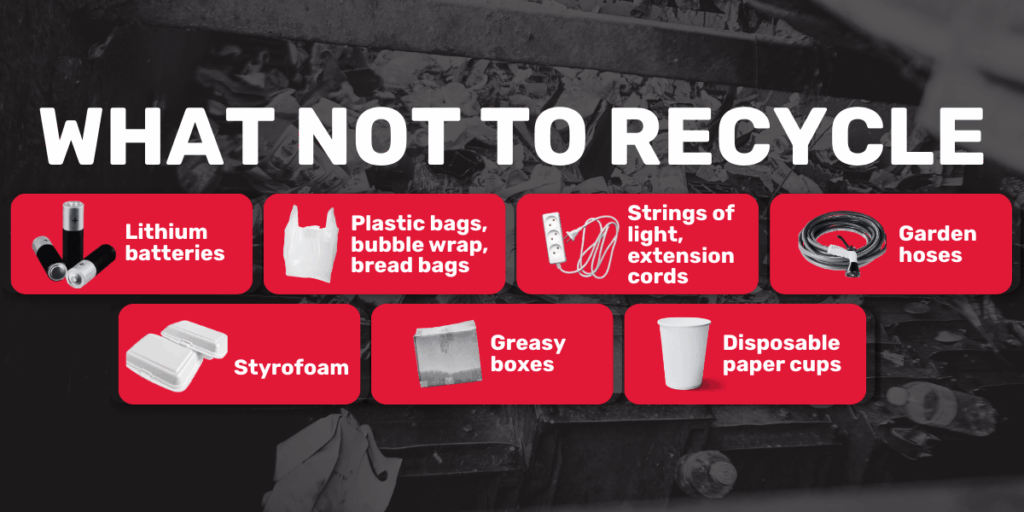
Plastic Bags: Grocery bags, bread bags and wrappers can jam recycling sorting machines. Return them to store drop-off bins instead of placing them in curbside recycling.
Coffee Cups: Paper cups often have a plastic lining that isn’t recyclable curbside. Dispose of them in the trash or find a local compost.
Food-Contaminated Paper and Cardboard: Pizza boxes with food stuck to them, paper plates and napkins can ruin recyclables. Rinse or compost when possible and only recycle clean paper and cardboard.
Styrofoam and Polystyrene: Cups, trays and packaging peanuts aren’t accepted curbside. Use store take-back programs or specialized recycling drop-offs.
Plastic Utensils and Straws: Most aren’t recyclable due to their small size or plastic type. Consider compostable alternatives or dispose of them in the trash.
Electronics and Batteries: These contain hazardous materials and can be flammable; never put them in curbside bins. Take them to certified e-waste or battery recycling locations.
Clothing and Textiles: Old clothes and fabrics don’t belong in curbside recycling. Donate, repurpose or use textile recycling programs.
Hazardous Materials: Paint cans, motor oil containers and chemicals require special disposal. Take them to hazardous waste collection sites.
Broken Glass and Non-Beverage Glass: Mirrors, Pyrex and window glass can’t be recycled with bottles and jars. Dispose of them in the trash or check for specialized recycling options.
How to Recycle Right
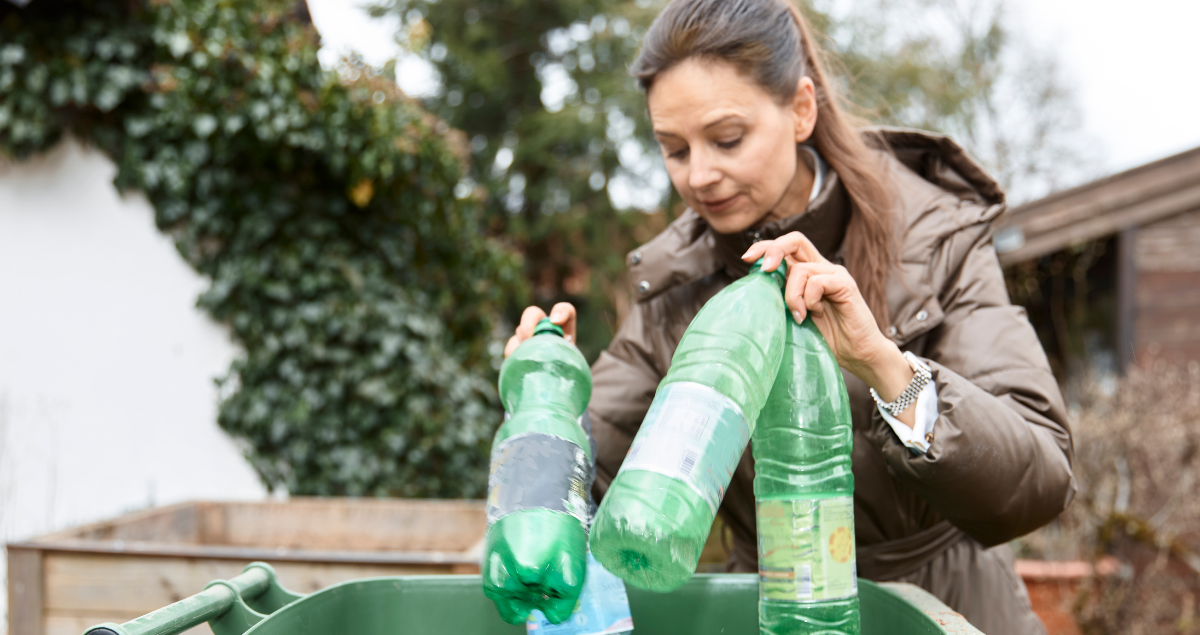
Recycling the right way is easier than you think and small habits at home can make a big difference. Follow these key steps.
- Rinse, dry and sort properly: Clean containers prevent contamination and make materials easier to process. Even a quick rinse helps paper, cardboard and plastics stay usable.
- Check local recycling guidelines: Every city or county has different rules. What’s recyclable in one place may not be in another, so take a moment to confirm your local program’s accepted items.
- Use designated drop-off centers for special items: Batteries, electronics, plastic bags and some types of plastics often require separate recycling programs. Drop them off at the right location to keep hazardous or hard-to-process items out of curbside bins.
- Keep recycling bins free of trash: Only place accepted items in the bin to avoid contamination that can send recyclables to the landfill.
- Flatten boxes when possible: This saves space in your bin and helps trucks and sorting machines handle materials more efficiently.
- Educate your household and neighbors: The more people who know how to recycle correctly, the bigger the impact. Sharing these tips encourages others to take simple actions that protect the environment.
Protect Workers While Recycling
Recycling mistakes don’t just affect materials — they can also put recycling facility employees at risk. Sharp items, broken glass, hazardous materials and even seemingly harmless items like lithium batteries can cause serious problems. Lithium batteries, in particular, can ignite or explode if damaged, creating a fire hazard for workers and the facility. Even small errors, like leaving food-contaminated containers or tangled cords in the bin, increase the risk of injury. By taking a few extra minutes to sort, rinse and properly dispose of special items, you’re helping keep the people who make recycling possible safe on the job.
Common Recycling Mistakes FAQs
Q: Can I put plastic bags in my curbside bin?
A: No. Plastic bags can jam recycling sorting machines. Take them to store drop-off bins instead
Q: Are paper coffee cups recyclable?
A: Most disposable coffee cups have a plastic lining that isn’t accepted in curbside recycling. Recycle the cardboard sleeve and consider using a reusable cup.
Q: Can I recycle food-contaminated paper or cardboard?
A: No. Pizza boxes with food stuck to them, paper plates and napkins can ruin recyclables. Only recycle clean paper and cardboard or compost the soiled portions.
Q: Is Styrofoam recyclable?
A: Most curbside programs don’t accept Styrofoam cups, trays or packaging peanuts. Use store take-back programs or specialized drop-off locations.
Q: Can I recycle plastic utensils and straws?
A: No. Most plastic utensils and straws are too small or made from non-recyclable plastics. Consider compostable alternatives or dispose of them in the trash.
Q: Can electronics go in curbside recycling?
A: No. These items contain hazardous materials and can be flammable. Take them to certified e-waste recycling locations.
Q: Are lithium batteries dangerous in recycling?
A: Yes. Lithium batteries can ignite or explode if damaged. Never place them in curbside recycling. Always take them to certified battery recycling drop-offs.
Q: Can I put old clothes or textiles in the recycling bin?
A: No. Clothing and fabrics don’t belong in curbside recycling. Donate, repurpose or use textile recycling programs.
Q: Are hazardous materials recyclable?
A: No. Paint cans, motor oil containers and chemicals require special disposal at hazardous waste collection sites.
Q: Can I recycle broken glass or non-beverage glass?
A: No. Mirrors, Pyrex and window glass can’t be recycled with bottles and jars. Dispose of them in the trash or check for specialized recycling programs.
Q: What about tangle-prone items such as hoses, cords or string lights?
A: These can wrap around recycling sorting equipment, causing shutdowns. Keep items like hoses, IV cords, ropes and holiday lights out of curbside recycling.
Q: Can I recycle shredded paper?
A: Most facilities can’t handle shredded paper because it falls through sorting screens. Compost or reuse shredded paper instead.
Q: How can I help make recycling safer for workers?
A: Avoid placing sharp, hazardous or flammable items in bins. Take the extra minute to rinse containers, separate special items and follow local guidelines to protect the employees who sort recyclables.
Q: Do I need to rinse food containers before recycling?
A: Yes. Leftover food and grease can contaminate recyclables and make them unusable. Always rinse and dry containers.
Q: What should I do if I’m unsure whether an item is recyclable?
A: Check local recycling rules, look for recycling symbols or consider reusing, donating or taking it to a special drop-off center.
Q: Why do recycling mistakes matter?
A: Even small errors can contaminate large batches, send recyclables to landfills and increase costs for recycling facilities.
Why the Right Choices Matter
Your simple, everyday actions such as rinsing, sorting and knowing what belongs, help prevent common recycling mistakes and keep the recycling process running smoothly. Clean, correctly sorted items are more likely to be turned into new products, reducing waste and supporting local recycling workers. Take a few mindful steps today: review your local recycling guidelines, check what goes in your bin and encourage friends or family to do the same. Every small action helps your community succeed and contributes to a cleaner, more sustainable future.
Local Leadership: Marpan’s Role in Sustainable Recycling
Marpan specializes in processing household recyclables at their state-of-the-art single-stream facility in Tallahassee, Florida. With single-stream recycling, Leon County residents no longer need to separate paper, plastic, metal and glass — everything goes into the same bin, and Marpan handles the sorting. To make recycling simple and effective, download our recycling guidelines, which provide essential rules and instructions for successful household recycling. Learn more ways to support recycling efforts in Tallahassee and North Florida by checking out our latest news.
Marpan has led Tallahassee and North Florida in debris management and processing of residential and commercial recyclable materials since 1966. Between 2008 and 2022, our recycling facility recovered more than two billion pounds of material that would have otherwise been buried in a landfill. Our partnerships, long-time commitment to recycling and state-of-the-art facilities allow us to make a difference in our community every day. For more information on how and what we recycle, explore our services.