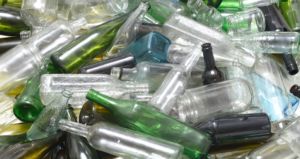
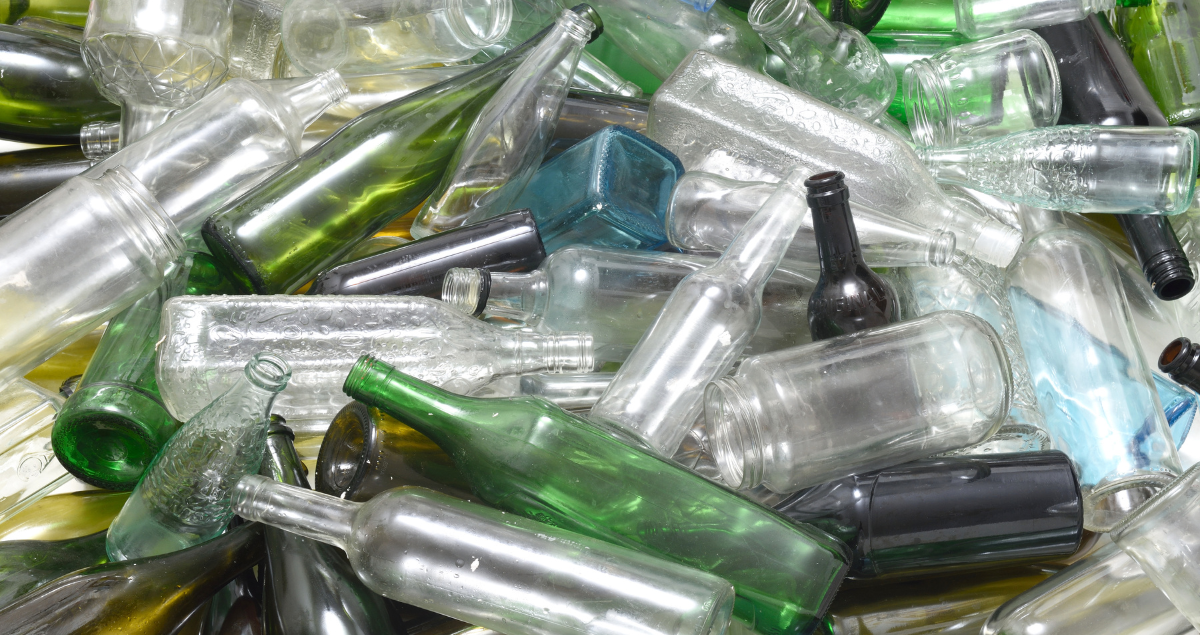
Glass bottles and jars may seem simple to recycle, but what happens after they leave the curb involves a precise sorting process. Glass is one of the few materials that can be recycled repeatedly without losing its purity or quality. However, it must be properly separated from other recyclables before it can be turned into material for new products.
In the U.S., roughly 41% of glass waste is recycled each year, leaving about 5.8 million tons of potentially recoverable glass uncaptured. Once recyclable glass reaches a facility, it moves through several stages of sorting and processing before becoming cullet, or crushed recycled glass, that can be distributed. Understanding the glass recycling process offers a closer look at what happens to bottles and jars after they go into the recycling bin and why proper recycling matters at every step.
Key Takeaways
- Glass can be recycled repeatedly without losing its purity or quality.
- Recycled glass, or cullet, is a valuable material used to manufacture new products.
- Proper recycling habits help improve the quality and value of recycled glass.
Glass: A Material Built to Last
Glass is unique among recyclable materials because it can be reprocessed again and again. Unlike other materials that can degrade through repeated recycling cycles, glass maintains the properties that allow it to be made into new products.
The challenge comes with sorting and processing it correctly. Glass is heavy and can break during collection and transportation. Materials such as ceramics, porcelain, drinking glasses and window glass also need to be kept out of the container glass stream because their different compositions and melting points can contaminate the recycled material. These are among several common recycling myths that can lead to items being placed in the recycling bin when they do not belong.
Before glass can begin a new life as another product, it has to make its way through the sorting line. Here’s what happens once it reaches a recycling facility.
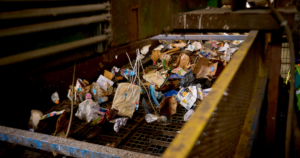
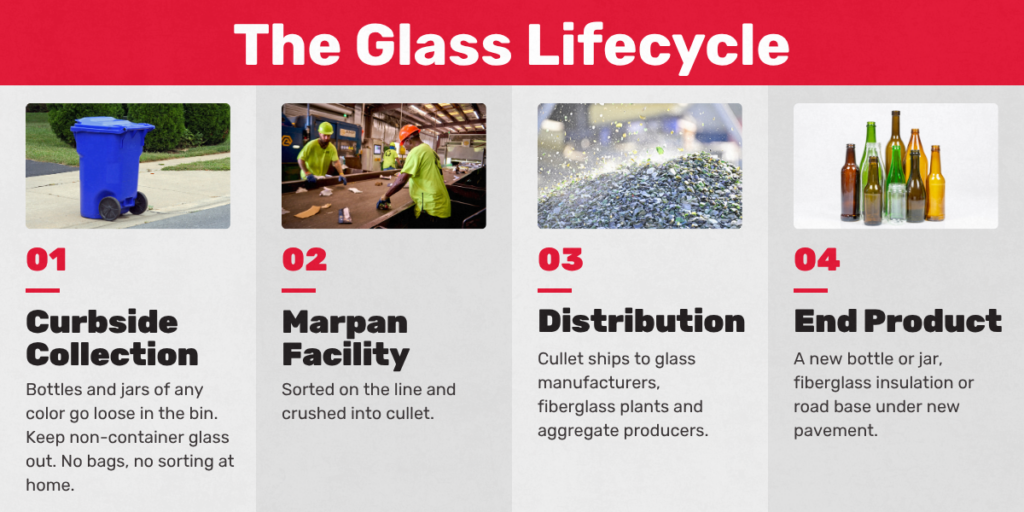
- Arrival: Glass arrives at the facility mixed with other recyclable materials collected through single-stream recycling.
- Early separation: Screens and ballistic separators remove broken glass early in the sorting process to keep it from contaminating paper and cardboard bales.
- Robotic sorting: AI-powered robotic sorting arms use computer vision for an additional sorting pass, helping identify contaminants and items that may have made it past the optical sorters.
- Contaminant removal: Ceramics, porcelain, drinking glasses and window glass are removed because their different compositions and melting points make them incompatible with container glass.
- Processing and shipment: Once sorted, the glass is processed into cullet and prepared for shipment.
Benefits of Glass Recycling
Recycling glass keeps usable material in circulation and provides several environmental and manufacturing benefits:
- Infinite recyclability: Glass can be recycled repeatedly while maintaining the properties needed to make new glass products.
- Energy savings: Cullet melts at lower temperatures than the raw materials used to manufacture glass, helping reduce energy use during production.
- End-market products: Uncontaminated cullet can be used to produce new bottles and jars, while other processed glass can be used for fiberglass insulation, road base aggregate, sandblasting media and drainage fill.
- Landfill diversion: Recycling keeps glass out of landfills and in circulation as a usable industrial material.
- Regional impact: The EPA identifies parts of the South as areas with high amounts of potentially recoverable glass and gaps in recycling infrastructure, highlighting the importance of infrastructure that can help recover and process recyclable material.
How You Can Support Glass Recycling
What you put in your recycling bin can affect the quality of the materials that make it through the recycling process. While single-stream recycling means accepted paper, plastic, metal and glass can go into the same bin, it is still important to keep non-recyclable materials and other contaminants out. Following local guidelines and properly preparing glass containers can help ensure they are successfully sorted and processed.
Here are five ways to prepare glass for recycling:
- Rinse bottles and jars before recycling. Remove food, liquids and other residue before placing glass containers in the bin.
- Keep non-container glass out. Ceramics, porcelain, drinking glasses, window glass and Pyrex should not be recycled with glass bottles and jars.
- Do not bag broken glass. Follow your local recycling guidelines for handling broken glass rather than placing it in a bag with your recyclables.
- Follow local guidelines for bottle caps and lids. Requirements can vary by recycling program, so check your local guidelines before preparing glass containers for recycling.
- Check your local recycling guidelines. Accepted materials can vary by location, so use your household recycling guide to confirm what belongs in your curbside bin.
Frequently Asked Questions
What happens to glass after it is picked up from my recycling bin?
Glass collected through single-stream recycling arrives at a recycling facility mixed with other recyclable materials. It is separated from those materials and checked for contaminants before being processed into cullet and prepared for shipment.
Can I recycle broken glass curbside?
Guidelines for broken glass can vary by local recycling program. Check your local household recycling guidelines to determine whether broken glass is accepted and how it should be handled.
What can recycled glass be used for?
Properly sorted and processed glass can be used to manufacture new glass bottles and jars. Depending on its quality and specifications, recycled glass can also be used for fiberglass insulation, road base aggregate, sandblasting media and drainage fill.
What is cullet?
Cullet is recycled glass that has been crushed and prepared for reuse. It can be sent to end buyers and used as a raw material in the production of new glass and other products.
Why can’t I recycle ceramics, drinking glasses or window glass with bottles and jars?
Ceramics, porcelain, drinking glasses and window glass have different compositions and melting points than container glass. When mixed with recyclable bottles and jars, these materials can contaminate the glass stream and interfere with its use by end markets.
Recycle Glass With Marpan
Marpan specializes in processing household recyclables at their state-of-the-art single-stream facility in Tallahassee, Florida. The glass recycling process is part of a larger sorting system that separates recyclable materials after they arrive at the facility. With single-stream recycling, Leon County residents do not need to sort accepted recyclables into separate bins. Paper, plastic, metal and glass can go into the same recycling bin, and Marpan handles the sorting at its facility.
Marpan has led Tallahassee and North Florida in dumpster rentals, debris management and the processing of residential and commercial recyclable materials since 1966. Between 2008 and 2022, our recycling facility has recovered more than two billion pounds of material that would have otherwise been buried in a landfill. Our partnerships, long-time commitment to recycling and state-of-the-art facilities allow us to make a difference in our community every day. For more information on how and what we recycle, explore our services.